
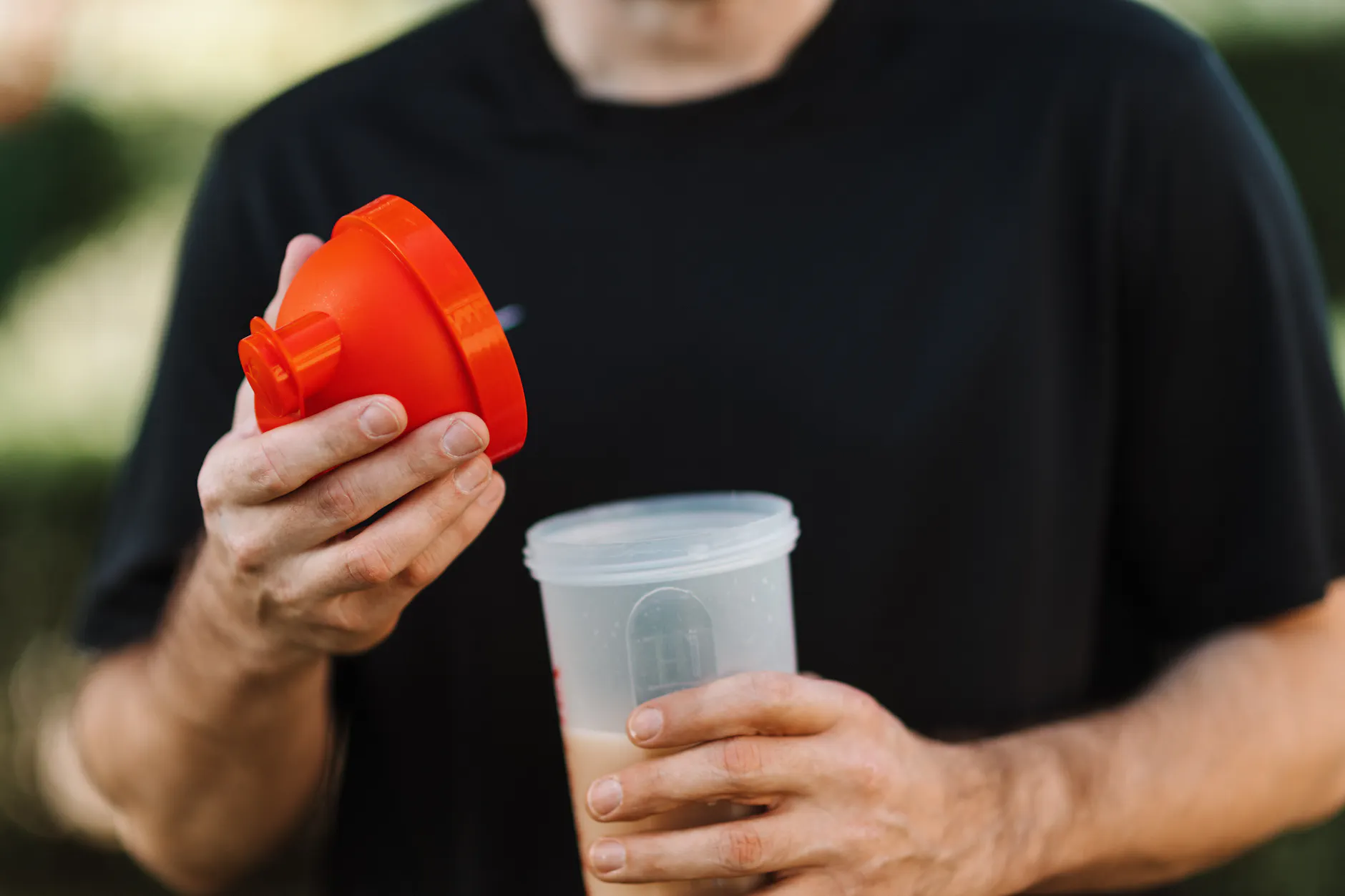
If you want more energy before training but do not love artificial colors, heavy sweeteners, or mystery blends, a natural pre-workout can be a useful middle ground. The best options still need to do the basics well: clear labels, practical caffeine levels, familiar performance ingredients, and a formula that fits the way you train.
This guide compares natural and cleaner-label pre-workouts for lifters, runners, beginners, and evening trainees. It is not medical advice, and no supplement is required for good training. Food, sleep, hydration, and a consistent program still matter more than any scoop of powder.
Disclosure: Some links in this guide may be affiliate links. If you buy through them, Green Light Fit may earn a commission at no extra cost to you. Our recommendations are based on label review, brand research, customer feedback patterns, public product information, and hands-on testing only when specifically noted.
Quick Picks
| Best for | Product type to look for | Why it fits |
|---|---|---|
| Most lifters | Citrulline plus moderate caffeine | Better fit for strength sessions and pump-focused workouts |
| High-energy mornings | Higher-caffeine natural formula | Useful when you already tolerate caffeine well |
| Beginners | Lower-caffeine pre-workout | Easier to judge tolerance and avoid jitters |
| Evening training | Stim-free formula | Supports training without late caffeine |
| Sensitive stomachs | Minimal-ingredient formula | Fewer sweeteners, gums, dyes, and flavor systems |
How We Evaluated Natural Pre-Workouts
- Transparent supplement facts panels
- No proprietary blends hiding ingredient amounts
- Reasonable caffeine levels for the intended user
- Natural color and flavor systems where possible
- Third-party testing or banned-substance screening when available
- Clear allergen and warning labels
- Practical price per serving
- Positive customer feedback patterns over time
- Return policy and brand reputation
Important note: Natural is not automatically safer or better. Caffeine, beta-alanine, herbal extracts, and concentrated powders can still cause side effects or interact with medications. Always read the label and talk with a qualified professional if you have a medical condition, take medication, are pregnant or nursing, or are under 18.
What Makes a Pre-Workout Natural?
A natural pre-workout usually means the product avoids artificial colors, artificial flavors, and some synthetic sweeteners. Many use caffeine from coffee bean, green tea, guayusa, yerba mate, or similar plant sources. Others use stevia, monk fruit, or fruit-derived flavor systems.
That said, the word natural is not enough. A cleaner label should still show exact ingredient amounts, safety warnings, serving size, and manufacturing details. A product with vague energy blend language is harder to evaluate, even if the front label looks clean.
Ingredients Worth Understanding
Caffeine
Caffeine can improve alertness and perceived energy, but more is not always better. Beginners often do better with a lower dose. People who train late in the day may want a stim-free option because caffeine can affect sleep even when the workout feels better.
L-Citrulline or Citrulline Malate
Citrulline is commonly used in pre-workouts for pump-focused training. It is one of the more familiar ingredients in strength and hypertrophy formulas. Check the actual amount per serving instead of relying on front-label claims.
Beta-Alanine
Beta-alanine may cause a harmless tingling feeling called paresthesia. Some users like it; others find it distracting. If you dislike tingles, choose a formula without beta-alanine or with a lower amount.
Electrolytes
Electrolytes can be useful for hot gyms, long sessions, HIIT, and outdoor training. They are not a replacement for hydration, but they can make a pre-workout more practical.
Best Overall Natural Pre-Workout
Choose a transparent formula with moderate caffeine, citrulline, and no proprietary blend. This is the best starting point for most lifters because it balances energy, pump support, and usability. Look for a caffeine range you can tolerate, a clearly listed serving size, and a flavor system that does not upset your stomach.
Best for: strength training, hypertrophy workouts, morning or afternoon lifting, and people who want a cleaner label without giving up performance ingredients.
Skip it if: you train close to bedtime, are very caffeine sensitive, or dislike beta-alanine tingles.
Best High-Energy Natural Pre-Workout
Choose this only if you already tolerate caffeine well. High-stimulant pre-workouts can feel effective, but they are not ideal for everyone. If a serving contains a high caffeine dose, avoid stacking it with coffee, energy drinks, fat burners, or other stimulants.
Best Stim-Free Natural Pre-Workout
Stim-free pre-workout is a better fit for evening training, caffeine-sensitive users, or anyone who already drinks coffee. It will not feel like a stimulant product, so judge it by training consistency, hydration, and comfort rather than a sudden energy kick.
Best Minimal-Ingredient Option
Minimal formulas are useful when your stomach reacts poorly to complex pre-workouts. The trade-off is that flavor may be simpler and the ingredient profile may be less exciting.
How To Choose The Right Natural Pre-Workout
Start with your training time. If you train after work, avoid high caffeine. If you train in the morning and tolerate coffee well, a moderate stimulant formula may be fine.
- Are all ingredient amounts listed?
- Is the caffeine amount clear?
- Are there third-party testing marks?
- Does the warning label fit your health situation?
- Is the price per serving reasonable?
- Does the brand explain returns or satisfaction guarantees?
Start with less than a full serving the first time. Tolerance varies, and a product that feels good for one person can feel too strong for another.
Common Mistakes
Taking pre-workout too late
Even natural caffeine can affect sleep. Poor sleep will hurt recovery more than a pre-workout helps.
Stacking stimulants
Coffee plus pre-workout plus an energy drink is usually too much for many people.
Ignoring serving size
Some tubs look affordable until you compare servings and scoop size.
FAQ
Is natural pre-workout better than regular pre-workout?
Not always. A natural pre-workout may avoid artificial colors, flavors, or certain sweeteners, but the full formula matters more than the marketing term. Look for transparent labels and appropriate caffeine levels.
Can I take natural pre-workout every day?
Some people use pre-workout often, but daily stimulant use can increase caffeine dependence and sleep issues. Consider using it only on harder training days and taking lower-caffeine or stim-free days.
What is the best natural pre-workout for beginners?
Beginners should usually start with a lower-caffeine formula, a half serving, or a stim-free option. This makes it easier to judge tolerance.
Is pre-workout safe?
Pre-workout is not right for everyone. Read the label, avoid products that conflict with your health needs, and ask a qualified professional if you take medication, have a medical condition, are pregnant or nursing, or are under 18.
What can I use instead of pre-workout?
Simple alternatives include coffee, a banana, water with electrolytes, or a balanced meal 2-3 hours before training. Many people do not need a supplement at all.
Bottom Line
The best natural pre-workout is not the one with the loudest label. It is the one that matches your training time, caffeine tolerance, ingredient preferences, and safety needs. Choose transparent labels, start with a conservative serving, and protect your sleep first.
Last updated: June 2026
